
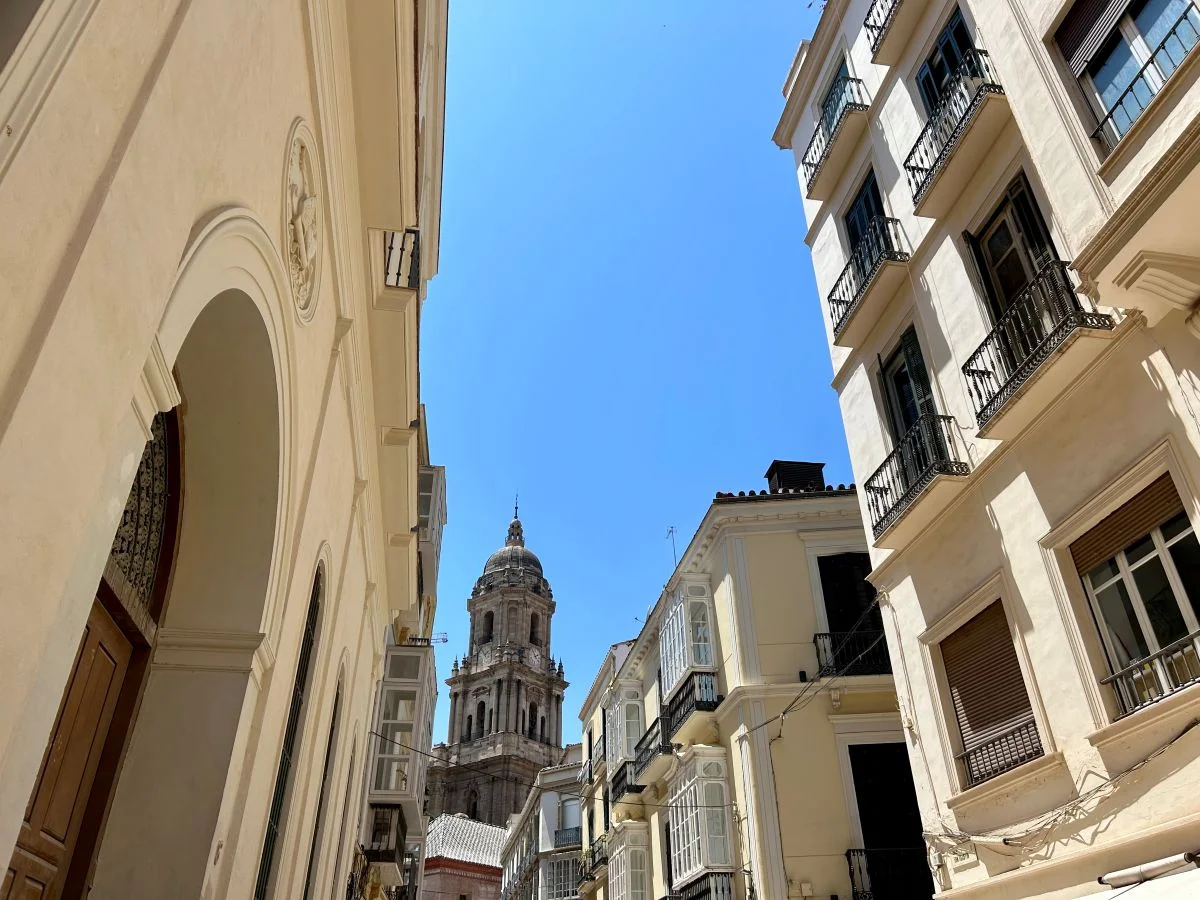
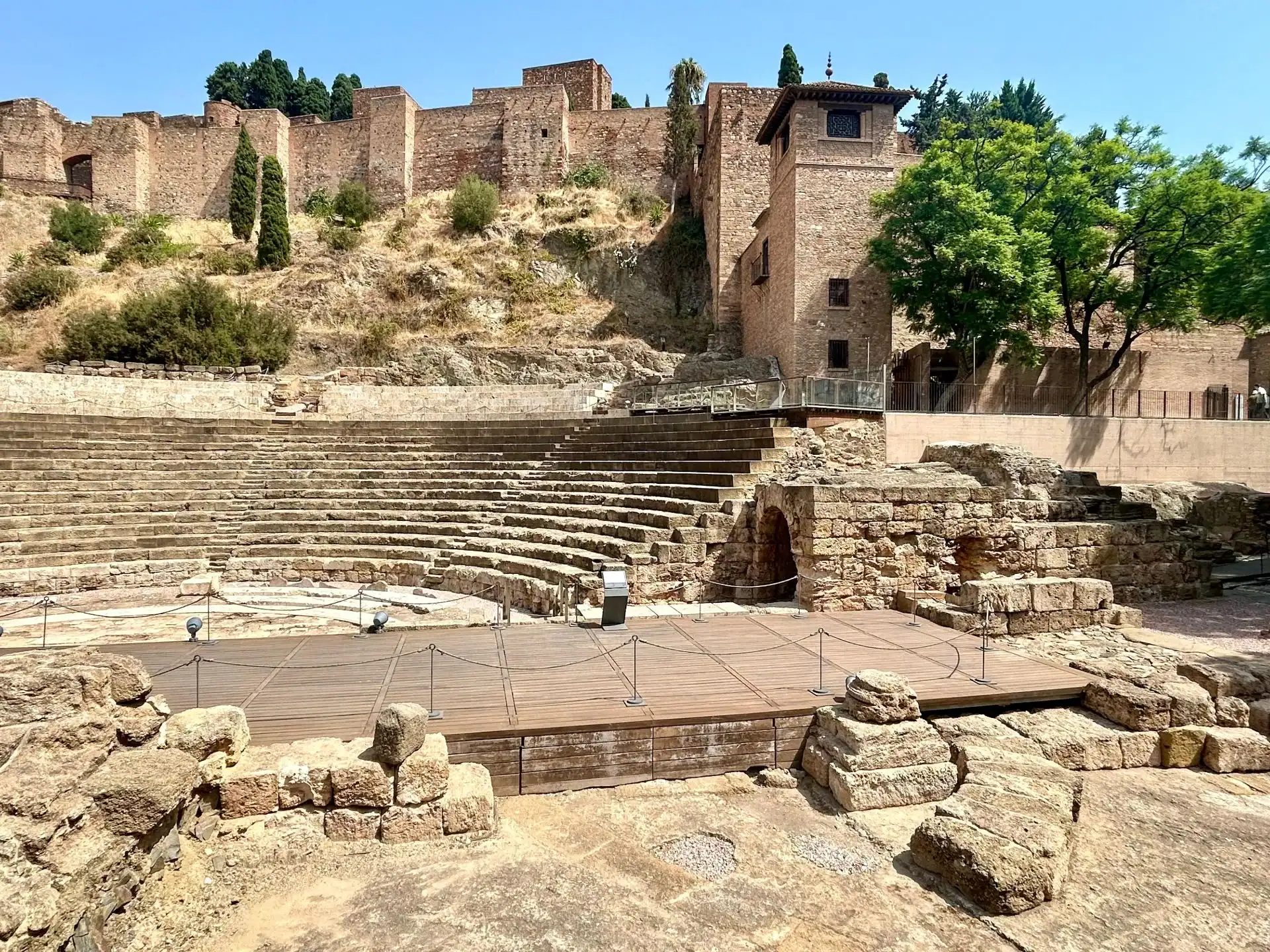
Is Málaga Safe?

how safe is málaga city centre and surroundings

Short answer: yes. Málaga is one of the safer major cities in Spain — statistically safer than Madrid or Barcelona. We lead walking tours through this city every day, at all hours, with groups of every kind of traveller, and the honest truth is that most visitors leave without a single problem.

That doesn’t mean you should switch your brain off. Like any city that welcomes millions of tourists a year, Málaga has its share of pickpockets and low-effort scams — and knowing where they happen is most of the battle. Here’s what we actually tell our guests, not the generic safety-blog version.

Málaga has a crime rate around 35 incidents per 1,000 residents, well below Spain’s national average of 47. Numbeo rates the city’s safety index at roughly 69–70 out of 100. Violent crime against tourists is rare — the real risk is petty theft, concentrated around Calle Larios, public transport and La Malagueta beach.

How safe is Málaga, really?

Málaga relies heavily on tourism, and it shows in how the city is policed — the historic centre is compact, well-lit and patrolled, especially during festivals like Semana Santa or the Feria. The most realistic risk to your trip isn’t crime, it’s distraction: an unattended phone on a café table, a bag left open on a packed bus.

Where does pickpocketing actually happen?

Pickpocketing is the one genuinely common issue in Málaga, and it’s concentrated in predictable spots:

Calle Larios and the Centro Histórico get dense with crowds, especially in peak season — exactly what pickpockets look for. Public transport during rush hour, and the areas around the bus and train stations at María Zambrano, are worth extra awareness. La Malagueta beach sees more bag-snatching and phone theft than anywhere else in the city, usually while people are swimming or asleep with belongings unattended. And the airport’s arrivals hall and taxi ranks are common for opportunistic theft.

The fix is simple: keep bags zipped and worn in front of you in crowds, don’t leave your phone on a table, and never leave valuables unattended on the beach.

What scams should I watch out for in Málaga?

None of these are dangerous, just annoying if you fall for them. Someone may ask you to sign a clipboard for a “charity” — it’s usually a distraction technique, sometimes with a request for money attached, so politely decline and keep walking. Someone might tie a friendship bracelet onto your wrist before you can object, then demand payment — keep your hands to yourself and don’t stop. Unsolicited “help” with directions or a ticket machine is occasionally a setup for a grab-and-run. And while official taxis are metered and reliable, confirm the fare or use an app like FREENOW if you’re unsure — airport-to-centre has a fixed rate, so ask for it directly.

Is Málaga safe at night?

Yes, generally. The historic centre, Soho and the port area stay busy and well-lit well past midnight, with visible police presence. Locals eat late and socialise later, so a lively street at 1am isn’t a red flag here the way it might be elsewhere. Standard precautions still apply: stick to busy, lit streets, be more cautious in quiet residential side streets late at night, and watch your drink on a night out, same as you would anywhere.

Is Málaga safe for solo and female travellers?

Yes — Málaga has a strong reputation here, and it’s well earned. The old town is compact enough that you’re rarely far from a busy street, and violent crime against tourists is very uncommon. Solo female travellers regularly join our tours and consistently tell us they felt comfortable exploring the city on foot, day or night. Usual precautions apply: stay aware of your surroundings, don’t leave drinks unattended, and trust your instincts if something feels off.

Are there areas of Málaga to avoid?

For a visitor sticking to the areas you’d actually want to see, Málaga is close to worry-free. The Centro Histórico, Soho, La Malagueta, El Palo and the Muelle Uno port area are all well-trafficked and safe at any hour. The one area with a genuinely different reputation is Palma-Palmilla, a residential district northwest of the centre known locally for drug-related issues — it has no tourist attractions and isn’t somewhere you’d end up by accident. Some quieter pockets of La Trinidad and Lagunillas near the centre see occasional pickpocketing in peak season, but nothing that should change your plans.

Are Málaga's beaches safe?

Yes, and they’re generally monitored by lifeguards in summer. The real risk isn’t the water, it’s belongings left unattended on the sand while you swim — bring only what you need, split valuables between people in your group, and use a beach locker at busier stretches like La Malagueta if one’s available. Tap water in the city is safe to drink, though many locals prefer bottled water for taste. Sun is the more realistic health risk in summer, with temperatures regularly in the high 30s°C, so pace yourself, especially on a walking tour of the old town.

Emergency numbers in Málaga

112 is the general emergency number in Spain, covering police, fire and ambulance, with English-speaking operators available. For non-emergencies, the Policía Local can be reached on 092, and the Policía Nacional on 091. If something is stolen, you’ll need to file a police report (denuncia) at a Policía Nacional station, mainly for insurance purposes.

The bottom line

Málaga is one of the safer major cities in Europe to visit. The real risks are petty theft and low-stakes scams, not anything that should stop you from coming. Stay aware in crowds, keep your bag zipped on the beach and on public transport, and you’ll almost certainly have the same problem-free trip the overwhelming majority of our guests do.

Want to explore Málaga?

Join one of our tours and see the city with a licensed local guide.

Málaga Free Tour

Málaga Free Tour

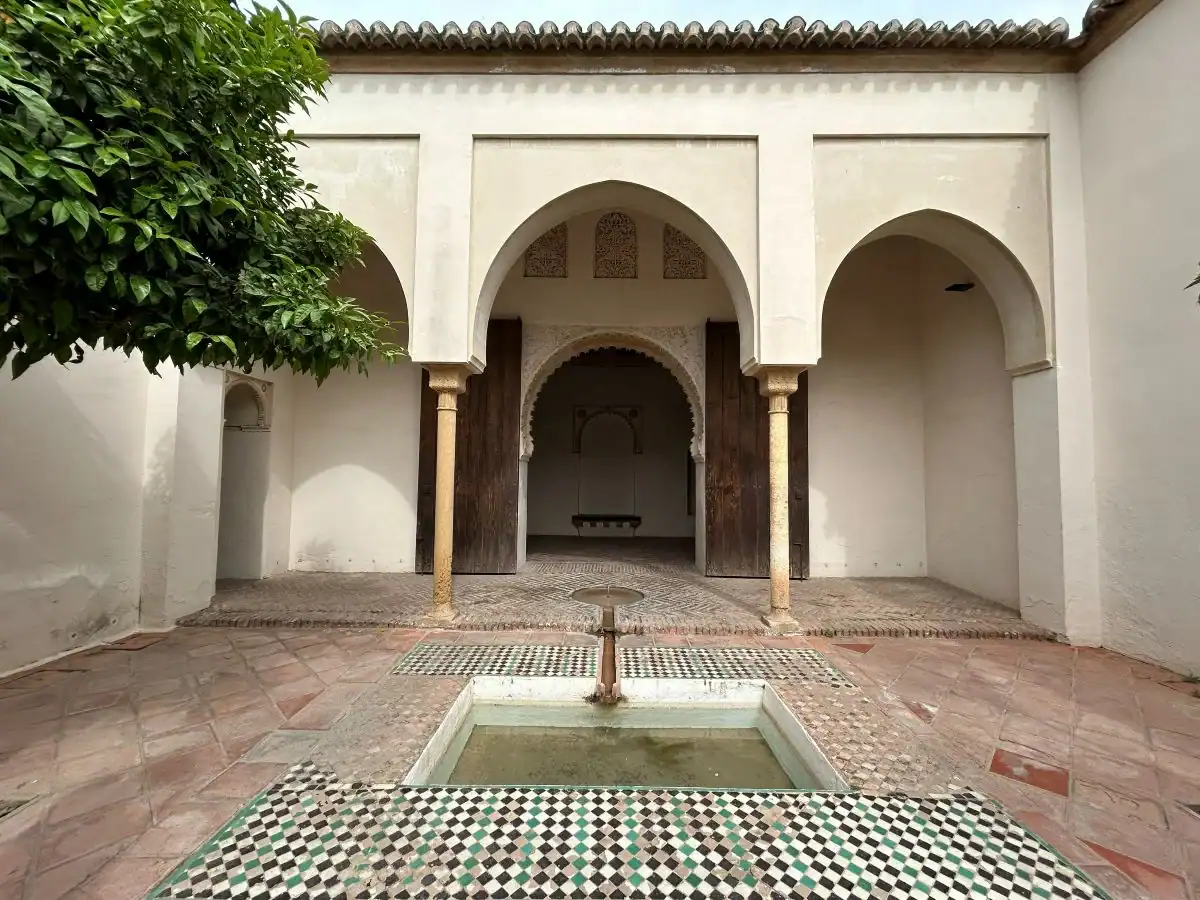
Málaga's historic centre, 3,000 years of history, one licensed local guide. Our free walking tour covers the Cathedral, Larios Street, Picasso's birthplace and the stories in between. Pay what you think it's worth at the end.
1h 45 mins
Alcazaba & Roman Theatre Free Tour

Alcazaba & Roman Theatre Free Tour

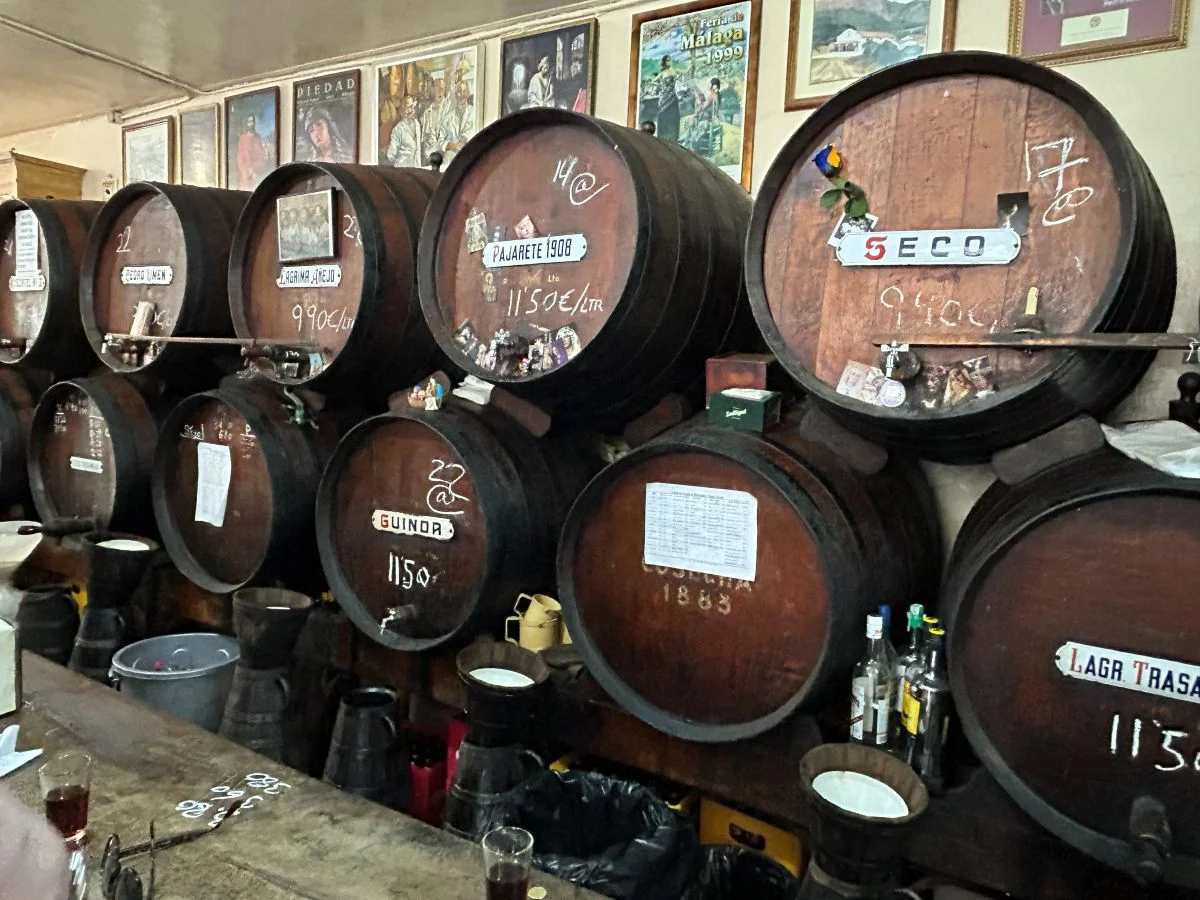
Go inside one of Spain's best-preserved Moorish fortresses and explore the Roman Theatre. Stunning architecture, sweeping panoramic views over Málaga, and stories that go back 1,000 years.
1h 30 mins
Tapas Tour Málaga

Tapas Tour Málaga

Forget the touristic restaurants on the main square. We take you where locals eat - a guided food tour through Málaga's best tapas bars and restaurants with food and wine included every step of the way.
3 hours
Private Tour Málaga

Private Tour Málaga

Your own personal local guide, your own pace, your own interests. Whether it's history, food, architecture or all three - we customise the perfect private Málaga tour experience around you and your group.

1 - 4 hours

Frequently Asked Questions

Yes. Málaga has a crime rate well below the Spanish national average and is considered one of the safer major cities in Spain. The main risks for visitors are petty theft and minor scams, not violent crime.

Generally yes. The historic centre, Soho and the port area stay busy, well-lit and well-policed late into the evening. Standard precautions apply in quieter side streets and unlit areas after dark.

Yes. Málaga has a strong reputation among solo female travellers, with low rates of violent crime and a compact, walkable centre. Normal precautions still apply, especially in nightlife areas.

Pickpocketing, concentrated around Calle Larios, crowded public transport, the bus and train stations, and La Malagueta beach. It’s rarely more than an inconvenience if you keep bags zipped and don’t leave valuables unattended.

Palma-Palmilla, a residential district northwest of the centre with no tourist attractions, has a reputation for drug-related crime. Areas a typical visitor spends time in — the historic centre, Soho, La Malagueta, El Palo — are safe.

Yes, tap water in Málaga is safe to drink, though many locals choose bottled or filtered water for taste rather than safety.