
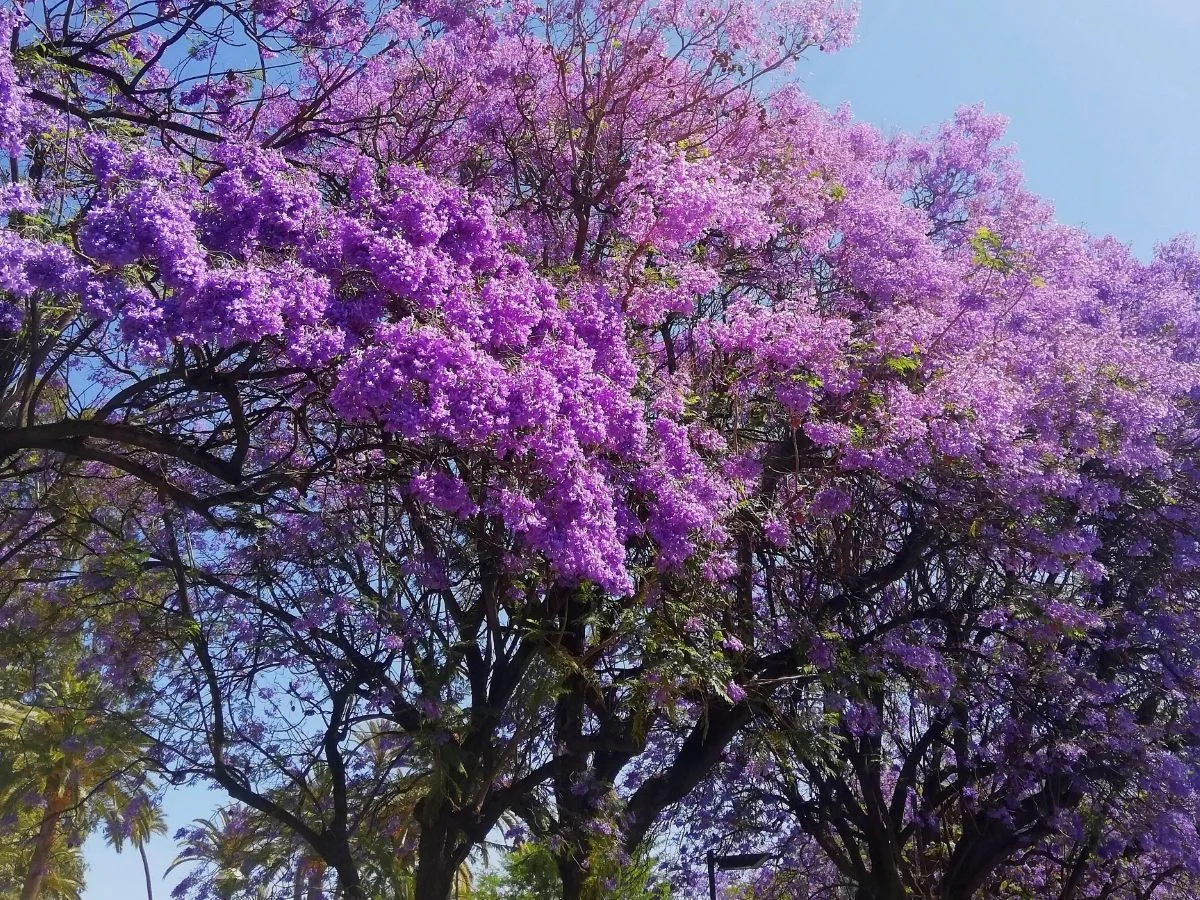
Málaga has a reputation as a year-round destination — and it’s earned. With over 300 days of sunshine annually, a mild winter and a coastline that stays warm well into autumn, almost any month works. However, “almost any month works” isn’t quite the same as knowing which month works best for you.
This guide is written by local guides who lead walking tours through Málaga every single day. We watch how the city changes through the seasons. We know when the streets are full, when they’re quiet, when the light is extraordinary and when the heat is genuinely brutal. Here’s the honest version — month by month, with no fluff.
Jump To Section
- Quick Answer — Best Time to Visit Málaga
- Spring (March–May) — The Sweet Spot
- Summer (June–August) — Hot, Busy and Full of Energy
- Autumn (September–October) — The Hidden Best Season
- Winter (November–February) — Quiet, Cheap and Underrated
- Month-by-Month Breakdown
- Best Time for Festivals & Events in Málaga
- What to Pack — Season by Season
- Start Your Visit the Right Way — With a Free Walking Tour
1. Quick Answer — Best Time to Visit Málaga
If you want the short version, here it is
The best time to visit Málaga is April, May, September or October. These are the months when the weather is genuinely perfect for sightseeing — warm but not punishing, with long days, quieter streets than summer and prices that haven’t hit their peak.
That said, every season in Málaga has something going for it, and there’s no month where the city is truly not worth visiting. What changes is the experience you get — and that’s exactly what this guide breaks down.
2. Spring (March–May) — The Sweet Spot
The best season to visit Málaga for most travellers
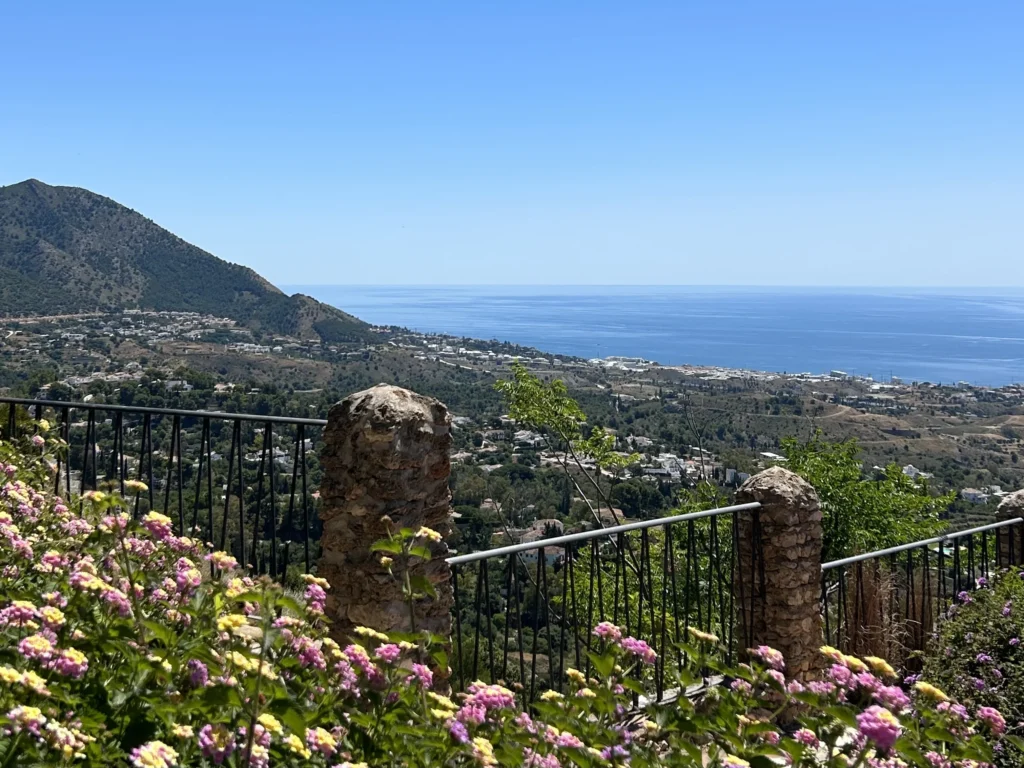
Spring is when Málaga is at its best. Temperatures settle between 18°C and 25°C, the city is alive without being overwhelmed and the streets have an energy that’s hard to explain but immediately obvious the moment you arrive.
March is still technically shoulder season, which means lower prices and thinner crowds — but the weather is already genuinely good. The Alcazaba gardens are in bloom, the light is extraordinary and the historic centre feels like it belongs to you rather than to the tourist season.
April brings Semana Santa — Holy Week — which is one of the most spectacular events in all of southern Spain. The processions through the old town are extraordinary: centuries-old brotherhoods carrying hand-carved floats through narrow streets in absolute silence. If you happen to be here for it, you’ll be talking about it for years. However, it does make accommodation scarce and more expensive, so book early if you’re planning around it.
May is arguably the single best month to visit Málaga. The heat hasn’t arrived yet in full force, the tourist crowds haven’t peaked and the city is simply at its most enjoyable. If you have any flexibility at all, aim for May.
What’s it like on our tours in spring? Perfect conditions. The morning tours especially — cool air, beautiful light and guests who have the full day ahead of them after we finish.
Local tip: Book tours and accommodation in advance for Holy Week (Semana Santa). The rest of spring is more relaxed, but May fills up quickly on weekends.
3. Summer (June–August) — Hot, Busy and Full of Energy
The most popular season — and the most demanding
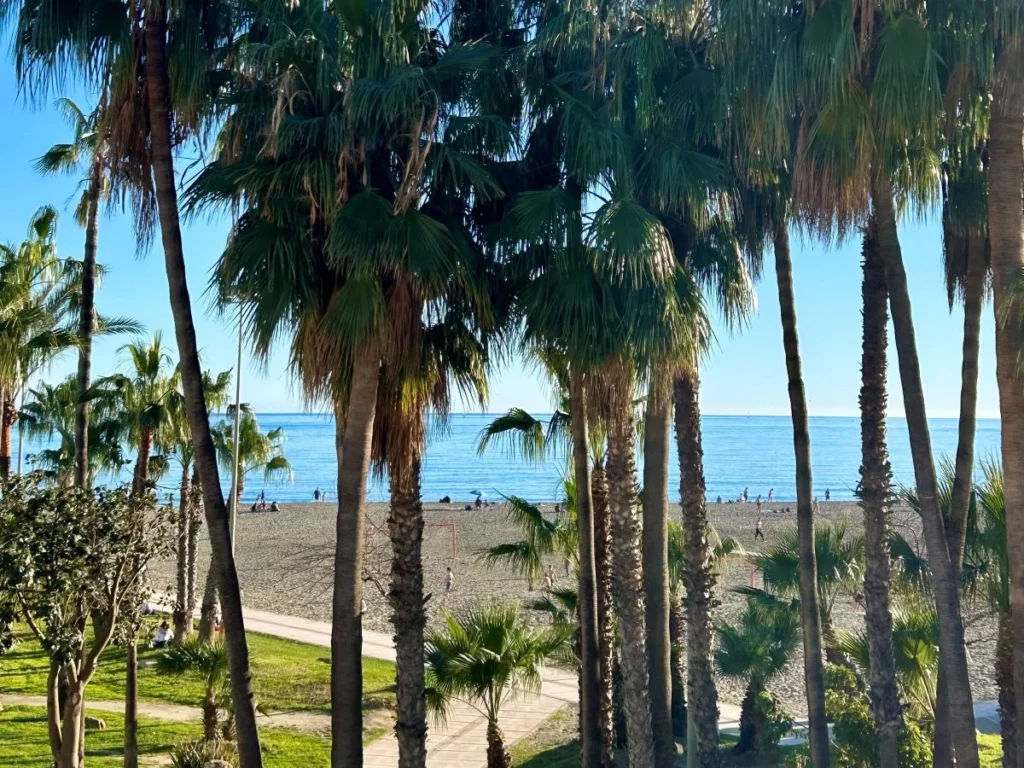
Summer is when Málaga is at its most intense. Temperatures regularly hit 35°C in July and August, and the city fills with visitors from across Europe and the world. The beaches are packed, the restaurants are full until midnight and there is an undeniable buzz to everything.
For some travellers, this is exactly what they want. Málaga in summer is loud, social and alive. The evenings are long and warm, the terrace bars are full and the sea is at its best for swimming.
However, sightseeing in peak summer requires some planning. The Alcazaba, the historic centre and the main attractions become genuinely crowded by mid-morning, and walking through the old town at 2pm in August is not something most people enjoy doing for long. As a result, summer visitors need to shift their rhythms — early mornings for sightseeing, long lunches in the shade, late afternoons for the beach, evenings for everything else.
June is the gentlest of the three summer months. The heat is building but not yet brutal, the tourist peak hasn’t fully landed and the city still has some breathing room. If your only option is summer, choose June.
What’s it like on our tours in summer? We run morning departures specifically because of the heat. The 10am tour finishes before the worst of the afternoon sun arrives — we’d recommend that timing strongly if you’re visiting in July or August.
Local tip: Arrive at attractions when they open. The Roman Theatre, the Alcazaba and the Cathedral are all significantly quieter in the first hour after opening.
4. Autumn (September–October) — The Hidden Best Season
The season that most visitors overlook — and locals prefer
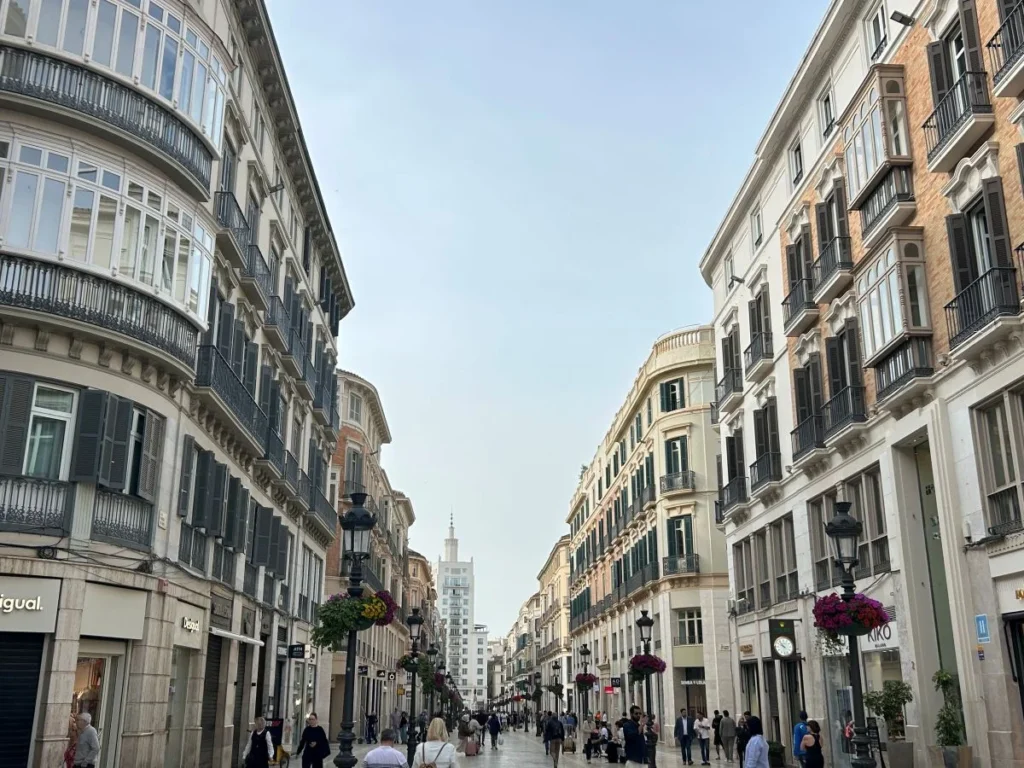
Ask any Malagueño when they enjoy their city most and a surprising number will say September and October. The tourists begin to thin out, the prices drop, the sea is still warm from summer and the temperatures settle into something close to perfect — typically 24°C to 28°C in September, dropping slightly in October but remaining genuinely warm and pleasant.
September is, frankly, an extraordinary month to be in Málaga. The summer crowds are gone but the city hasn’t closed down. The restaurants, bars and cultural venues are still operating at full capacity. The beach is warm and far less crowded than August. The light in the afternoon turns golden in a way that only happens in autumn — and if you’re someone who cares about photography or simply about how a city feels, you’ll notice it immediately.
October starts to cool, but “cooling” in Málaga means temperatures in the low-to-mid twenties — which is still comfortably warm by most European standards. The Feria de Málaga is long over by now, but the city has settled into a rhythm that feels genuinely local rather than tourist-season frantic.
In addition, flights and accommodation in September and October are noticeably cheaper than summer, which makes the whole argument for autumn even stronger.
Local tip: If you want the sea and the city without the crowds, September is your month. It’s the open secret of Málaga travel.
5. Winter (November–February) — Quiet, Cheap and Underrated
Cold? Not really. Worth it? More than people think.
Málaga in winter is not what most northern Europeans expect. “Winter” here means temperatures between 12°C and 18°C — which is mild, not cold. There are rainy days, and December and January see the shortest daylight hours, but there are also stretches of beautiful clear sunny days where sitting outside for lunch in December feels completely normal.
The city in winter belongs to locals. The tourist season is over, the prices are lower, accommodation is available without booking months in advance and the main attractions are quieter than at any other time of year. For travellers who prefer experiencing a city as it actually lives rather than as it performs for visitors, winter is genuinely interesting.
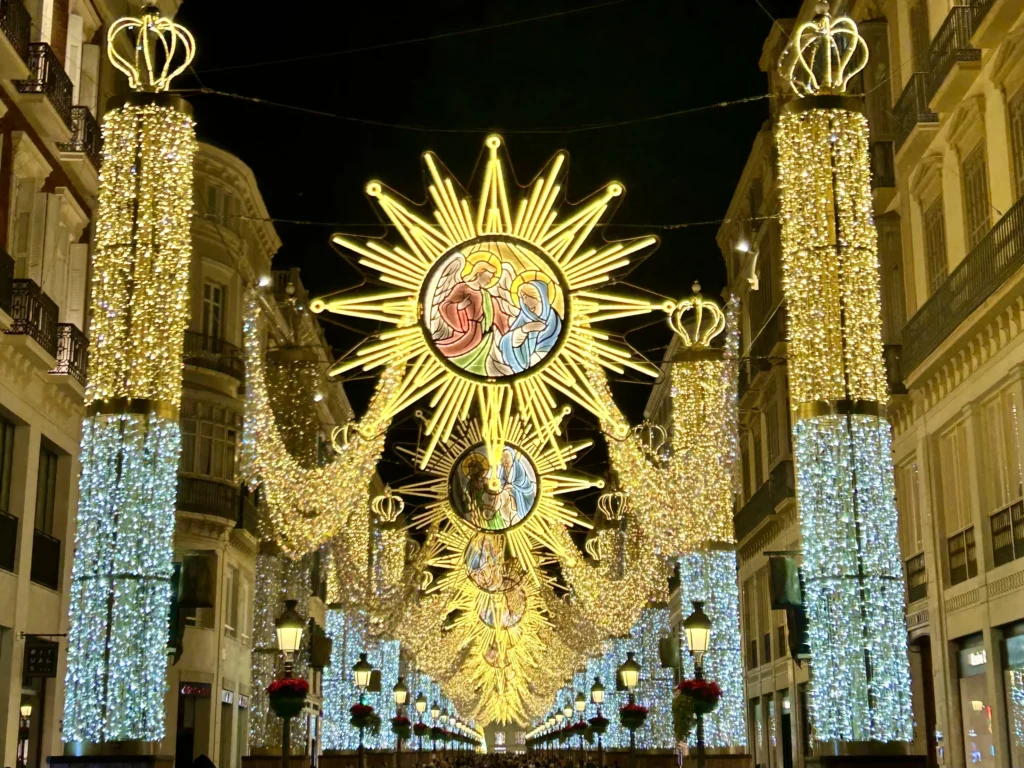
Christmas in Málaga deserves a special mention. The illuminations on Calle Larios are among the best in Spain — a spectacular light installation that draws visitors specifically for the occasion. The city centres its festive season around this street, and it’s worth seeing even if you’re otherwise indifferent to Christmas decorations.
February brings the Málaga Carnival, which is one of the best carnival celebrations in Andalusia — lively, colourful and far less overrun than Carnival in larger cities.
What’s it like on our tours in winter? Honestly, some of our favourite tours happen in winter. The groups are smaller, the pace is more relaxed and the guides can spend more time on each stop. The historic centre is quieter, which makes it easier to actually hear the stories.
Local tip: Pack a light jacket and a waterproof layer — you won’t need a heavy coat, but you’ll want something for the evenings and on rainy days.
6. Month-by-Month Breakdown
Exactly what to expect in Málaga, every month of the year
January — The quietest month. Cool and occasionally rainy, but with plenty of clear days. Very low prices, almost no tourist crowds. Ideal for travellers who want the city to themselves.
February — Similar to January, with the addition of Málaga Carnival, usually in the second or third week. A genuinely fun event worth timing a visit around.
March — The first signs of spring. Temperatures warming up, flowers appearing in the Alcazaba gardens, fewer crowds than any month from April onwards. A great low-key option.
April — Excellent weather and the spectacular Semana Santa processions. Crowds and prices spike around Holy Week but are otherwise manageable. One of the best months if you plan well.
May — The best month for most travellers. Perfect temperatures, long days, manageable crowds, reasonable prices. Book accommodation in advance.
June — The beginning of summer. Warm, busy and still affordable compared to July and August. A good compromise if summer is your only option.
July — Peak summer. Hot (often 35°C+), very busy, highest prices of the year. Go early morning, rest in the afternoon, embrace the evenings.
August — As July, but more so. The busiest and most expensive month. The beach is at its most atmospheric; the historic centre is at its most crowded. Plan around the heat.
September — The local favourite. Warm sea, quieter streets, lower prices, beautiful light. Arguably the best kept secret in Málaga travel.
October — Excellent weather continues, crowds thinning further, prices dropping. A very good month for a relaxed, unhurried visit.
November — The transition into winter. Cooler, occasionally rainy, noticeably quieter. Still worth visiting, especially for the lower prices and the lack of crowds.
December — The Calle Larios Christmas illuminations make this month special. Otherwise quiet and cool, but with a festive energy in the city centre that’s genuinely worth experiencing.
7. Best Time for Festivals & Events in Málaga
The events that are worth planning your trip around
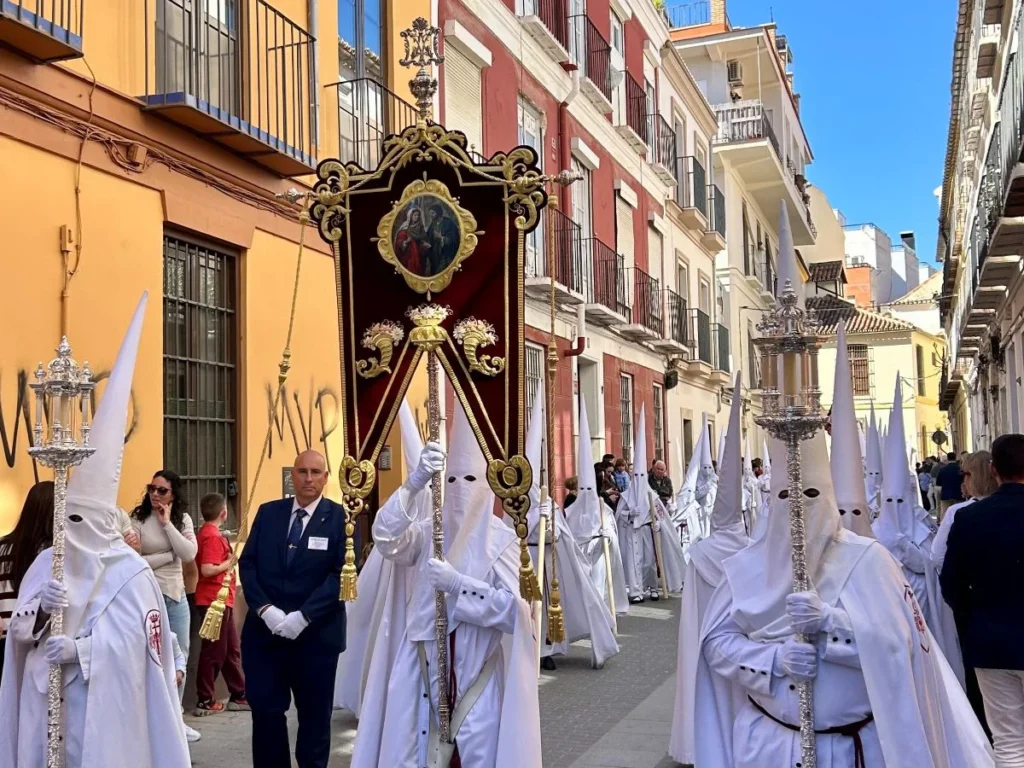
Semana Santa — Holy Week (March or April, depending on the year) The most visually spectacular event in Málaga’s calendar. Ancient brotherhoods carry hand-carved floats through the old town in candlelit processions that can last hours. Not a tourist performance — a living tradition that the city takes extremely seriously. If you’re here for it, your experience of Málaga will be unlike anything else.
Feria de Málaga (August) The city’s biggest annual party. A week of flamenco, fairground rides, live music and free outdoor concerts that runs every August. The centre fills up every night and the atmosphere is electric. The feria grounds out at the edge of the city are worth visiting at least once — the real party happens out there.
Calle Larios Christmas Illuminations (December) One of the most famous Christmas light installations in Spain. The illumination ceremony draws large crowds, but the lights themselves are up through most of December and are worth walking through on any evening.
Málaga Carnival (February) A lively, colourful festival centred on the historic centre. Fancy dress, live music, satirical performances and a celebratory atmosphere that runs for about a week.
Málaga Film Festival (March) Spain’s leading Spanish-language film festival, held annually in the historic centre. Screenings, red carpets and a film-friendly energy that takes over several venues in the old town.
8. What to Pack — Season by Season
The practical version, from people who are outside in Málaga every day
Spring (March–May): Light layers. A light jacket for evenings and mornings in March and April. Comfortable walking shoes — Málaga’s old town is cobblestoned. Sunscreen from April onwards.
Summer (June–August): Light, breathable clothing. Sunscreen (factor 50 — the sun here is genuinely strong). A hat. A water bottle. Comfortable shoes that don’t hold heat. Nothing more.
Autumn (September–October): Similar to spring. Light clothing for daytime, a layer for evenings in October. Sunscreen still relevant in September.
Winter (November–February): A light to mid-weight jacket. A waterproof layer for rainy days. Comfortable shoes. You won’t need heavy winter gear — but you’ll want to be prepared for the occasional cold, wet day.
9. Start Your Visit the Right Way — With a Free Walking Tour
Whatever time of year you visit, this is the first thing to do
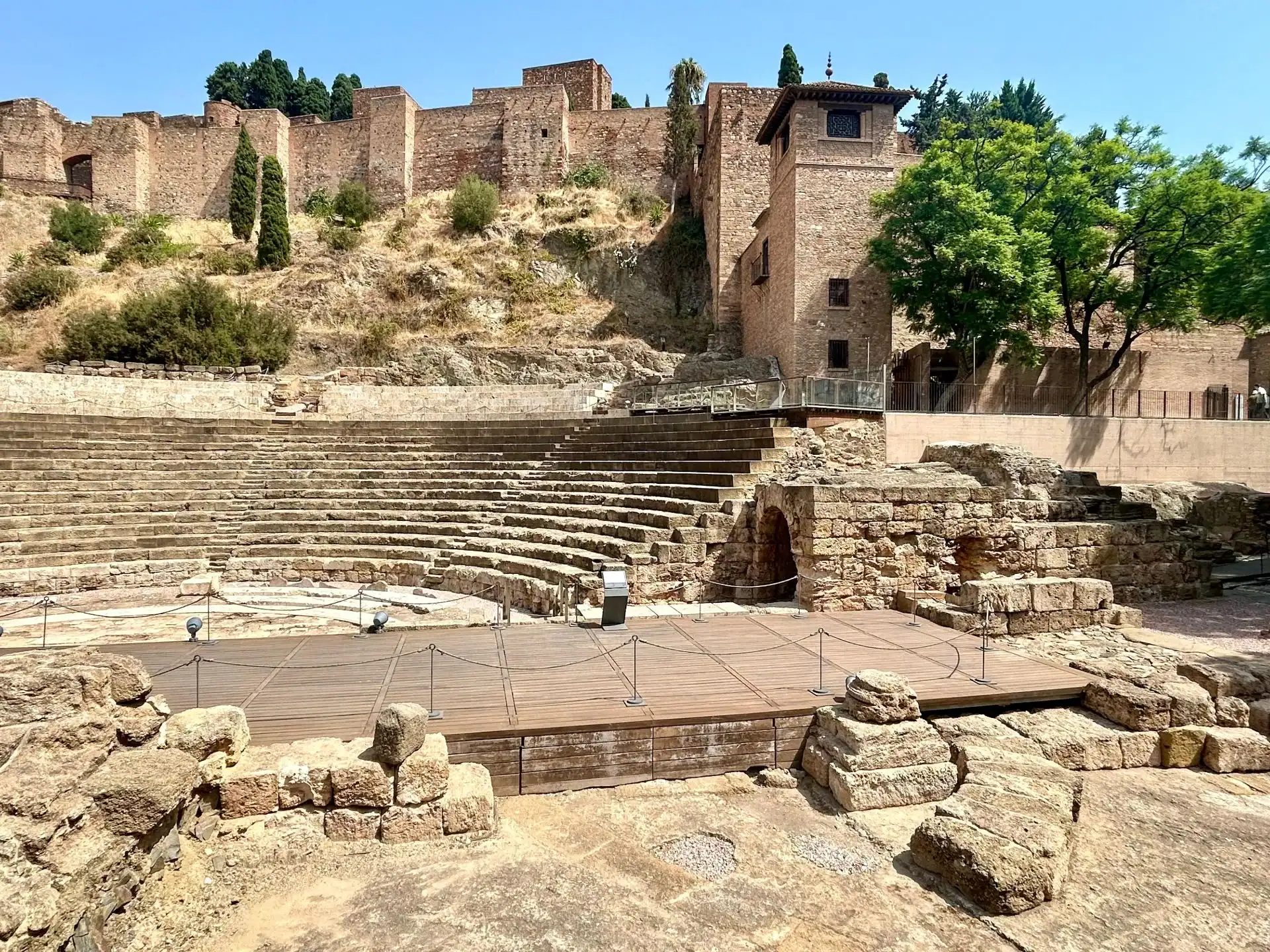
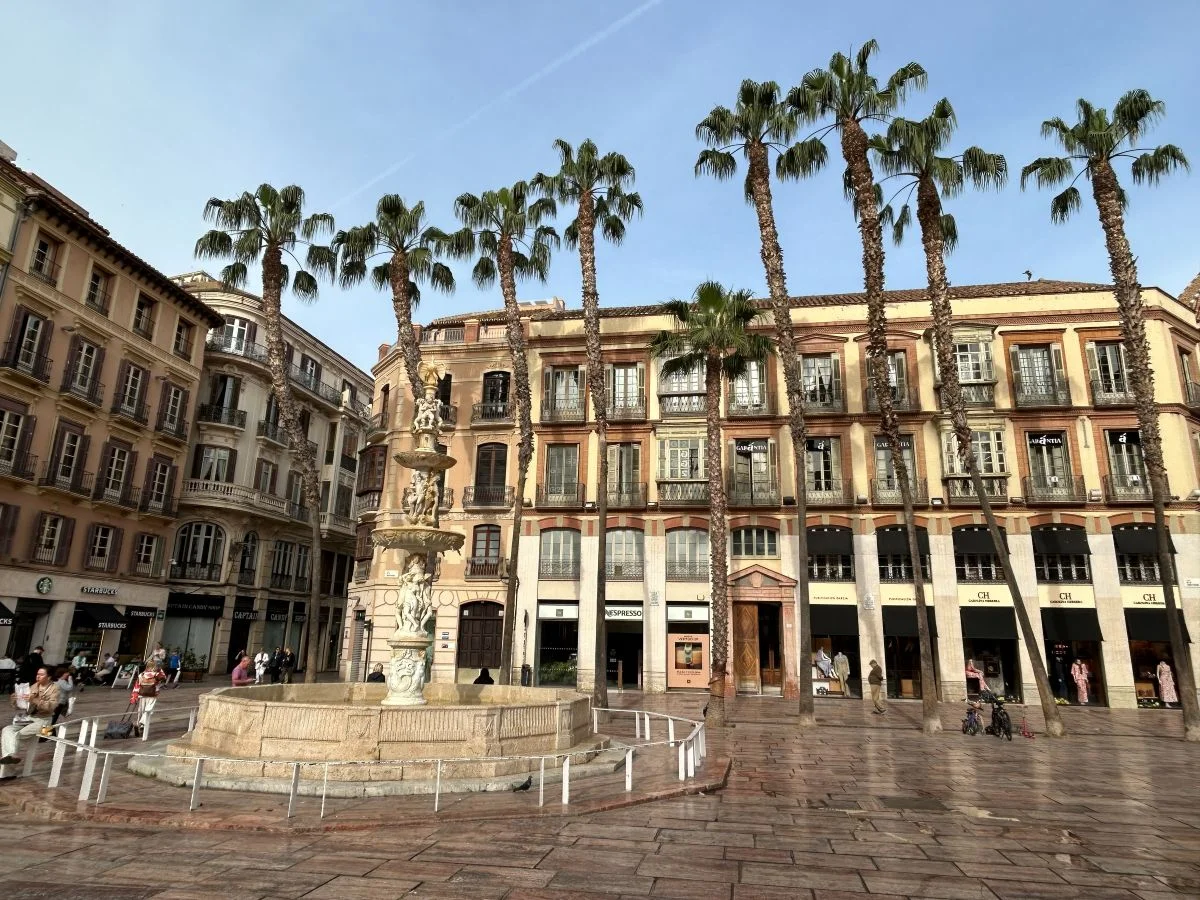
No matter when you visit Málaga, the single best way to start your trip is with a Free Walking Tour of Málaga’s Historic Centre. In under two hours, our licensed local guides will walk you through 3,000 years of history — the Cathedral, Calle Larios, Picasso’s birthplace, the Roman Theatre and the Alcazaba — and give you the kind of insider knowledge that transforms every other thing you do in the city.
There’s no booking fee and no fixed price. You pay what you think it was worth at the end. We run tours daily and we’d recommend the morning departure whatever season you’re visiting — the light is better, the streets are quieter and you’ll have the whole day ahead of you when we finish.
If you want to go deeper into the Moorish history of the city, our Free Alcazaba Tour takes you inside one of the best-preserved Moorish fortresses in Spain.
And if you want the definitive Málaga food experience, our Tapas Tour takes you to the bars locals actually go to — with food and wine included at every stop.
Local tip: Book your free tour as early in your trip as possible. The guides give recommendations that will improve everything else you do in Málaga — restaurants, viewpoints, hidden streets, the works.
Ready to explore Málaga?
Join one of our tours and see the city with a licensed local guide.
Málaga Free Tour
Málaga's historic centre, 3,000 years of history, one licensed local guide. Our free walking tour covers the Cathedral, Larios Street, Picasso's birthplace and the stories in between. Pay what you think it's worth at the end.
Alcazaba & Roman Theatre Free Tour
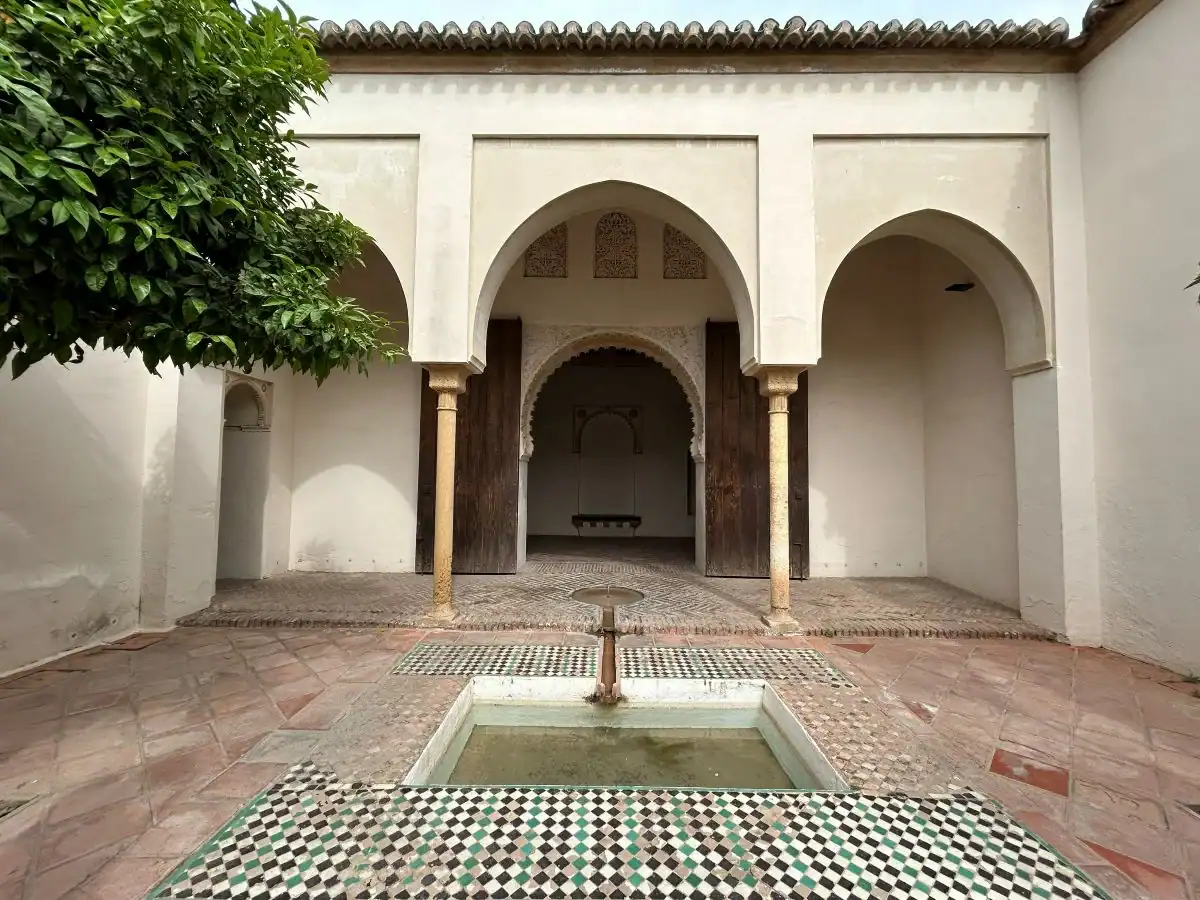
Go inside one of Spain's best-preserved Moorish fortresses and explore the Roman Theatre. Stunning architecture, sweeping panoramic views over Málaga, and stories that go back 1,000 years.
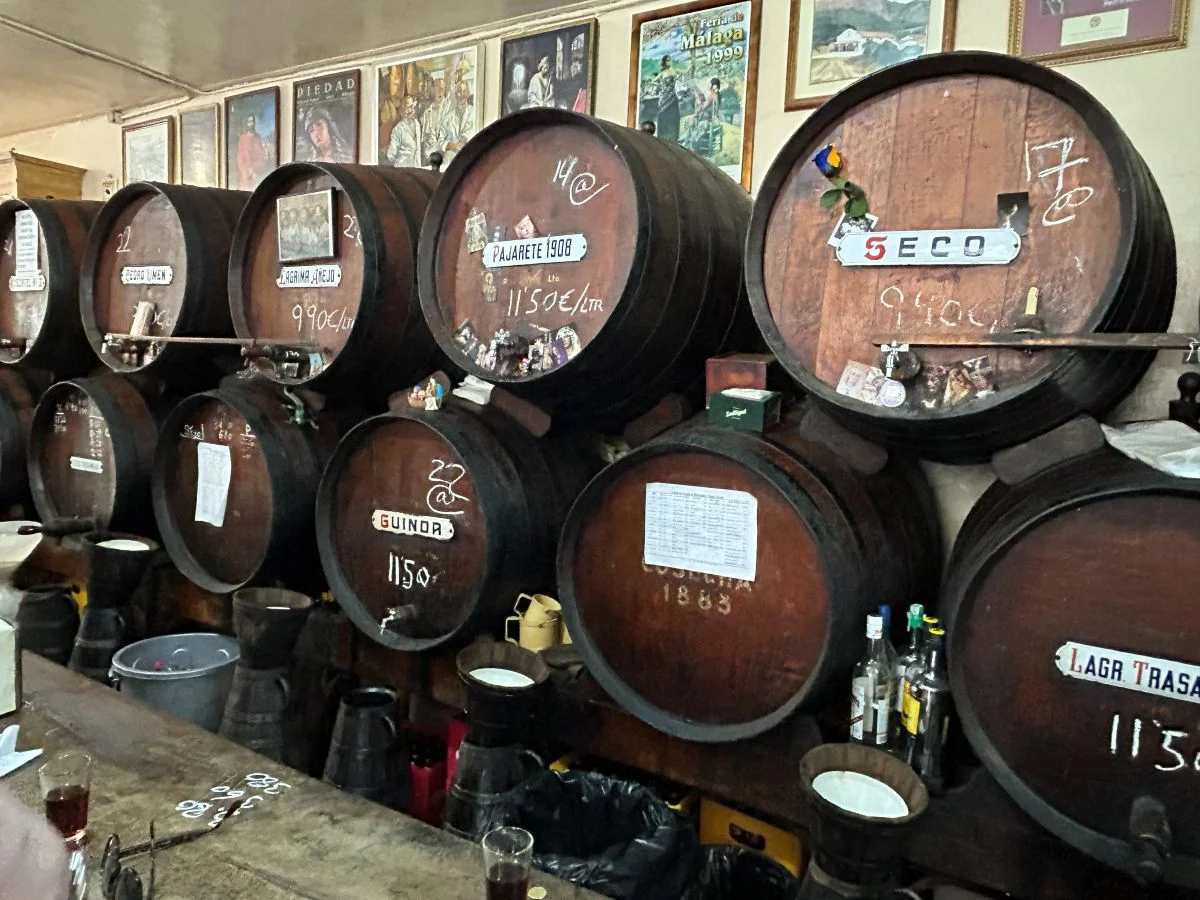
Tapas Tour Málaga
Forget the touristic restaurants on the main square. We take you where locals eat - a guided food tour through Málaga's best tapas bars and restaurants with food and wine included every step of the way.
Private Tour Málaga
Your own personal local guide, your own pace, your own interests. Whether it's history, food, architecture or all three - we customise the perfect private Málaga tour experience around you and your group.
FAQ — Best Time to Visit Málaga
What is the best month to visit Málaga?
May is the best single month for most travellers — perfect temperatures, manageable crowds and long days. September is a close second, especially if you want the sea and the city together.
Is Málaga good to visit in winter?
Yes, more than people expect. Temperatures stay mild (12°C–18°C), prices are lower, crowds are minimal and the city has a genuinely local feel. You’ll need a light jacket and a waterproof layer, but you won’t need winter clothes.
When is Málaga too hot to visit?
July and August can be genuinely punishing for sightseeing in the middle of the day — regularly hitting 35°C or above. If you visit in summer, shift your schedule: mornings for sightseeing, afternoons for the beach or rest, evenings for everything else.
When is Málaga busiest?
July and August are the peak months, followed by April (especially around Semana Santa). May, June and September are busy but manageable. November through February is the quietest period.
How many days do you need in Málaga?
Three to four days is the sweet spot for most visitors. Two days is enough to cover the main highlights — our 2-day Málaga itinerary covers exactly that. A full week lets you slow down, explore the day trips and really get under the skin of the city.
Is Málaga worth visiting in autumn?
Absolutely. September and October are arguably the best-kept secret in Spanish travel. The sea is still warm, the crowds are gone and the city is at its most comfortable. If you can visit in September, do it.