
What to Eat in Málaga — A Local Food Guide

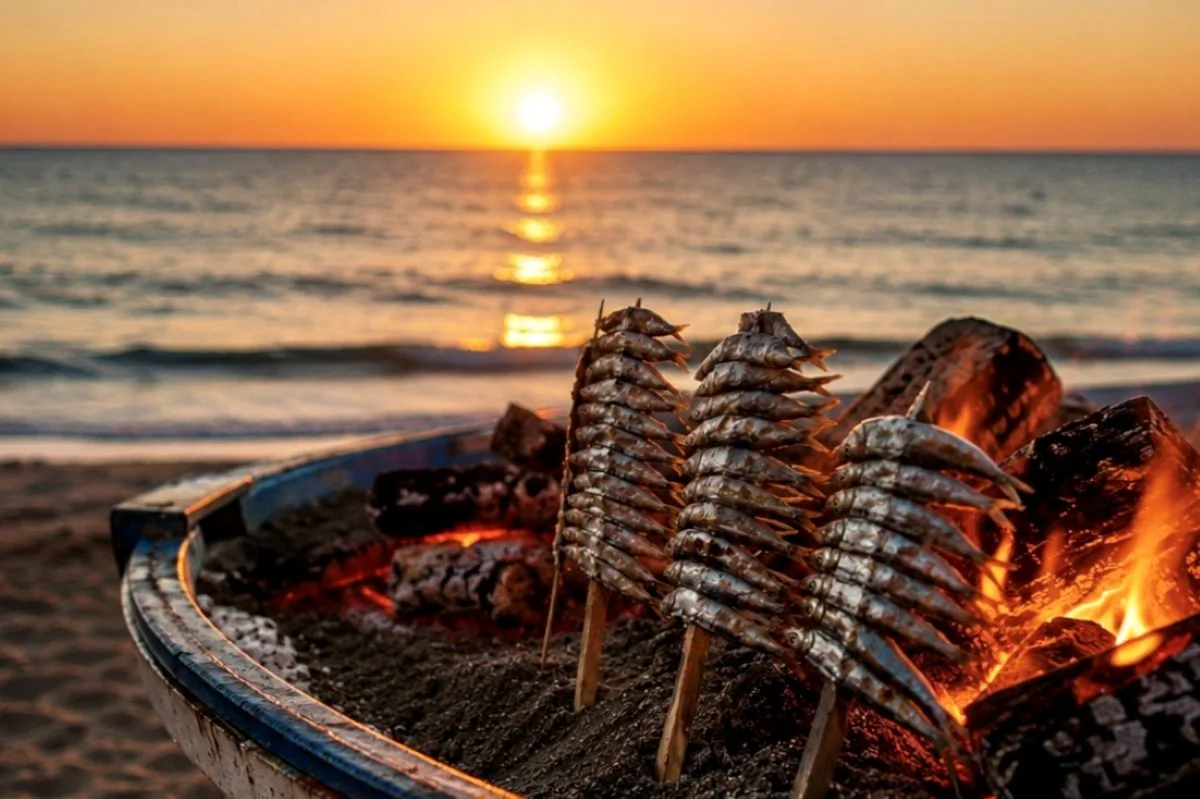
espetos sardines on cane skewers over an open fire grilling on the beach in Málaga during sunset typical spanish food

Málaga’s food doesn’t get talked about the way its beaches or its history do — and that’s a mistake, because the food is arguably the best reason to come. This is a city built on fresh fish, Moorish flavours and centuries-old market traditions, and most visitors leave without ever finding the dishes that actually define it.

This guide is written by local guides who eat in this city every single day — not a list assembled from other blogs. We’ve grouped it by what to actually order, where locals go for it, and one or two honest warnings about where the tourist traps hide.

Quick Answer — What to Eat in Málaga

If you want the short version, here it is

Order espetos de sardinas (grilled sardine skewers) by the beach, pescaíto frito (mixed fried fish) in the historic centre, and ajoblanco (cold almond soup) if you’re visiting in summer. Pair it with a glass of local Málaga sweet wine or a vermut, and eat at the Atarazanas Market at least once.

Everything below goes deeper — what each dish actually is, where to find a good version, and what to skip.

2. Espetos de Sardinas — The Dish That Defines Málaga

Whole sardines, grilled on cane skewers over an open fire

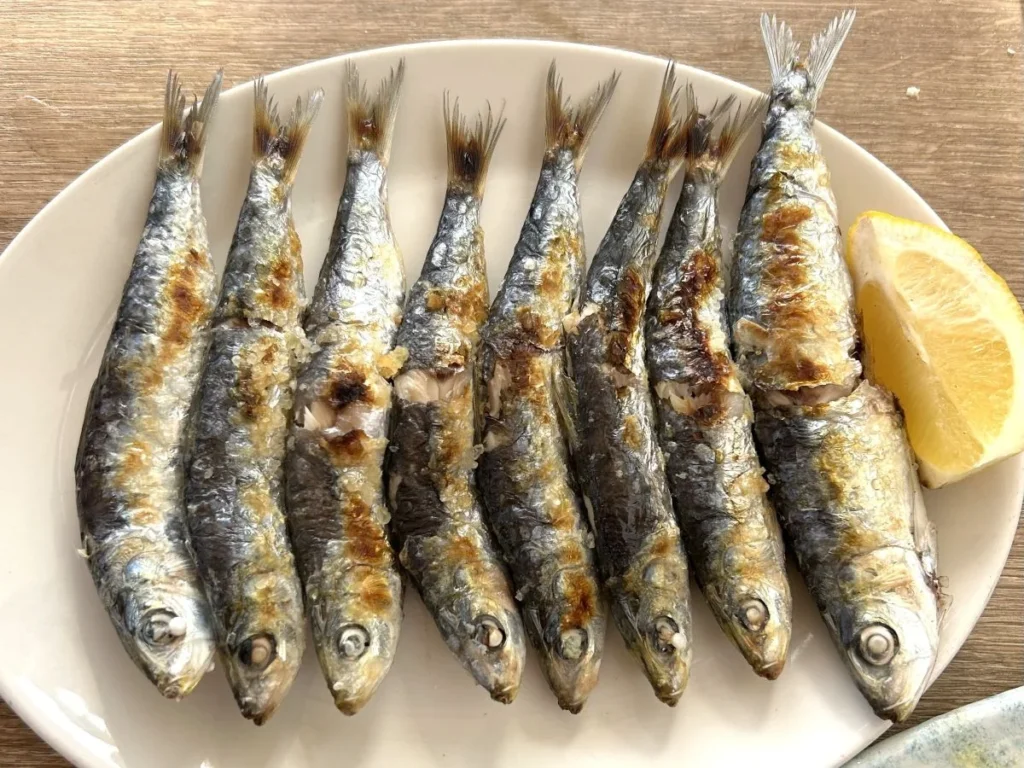
espetos sardine skewers grilled on the beach in Málaga andalusian typical spanish food

Espetos are Málaga’s signature dish, and they only really work in one setting: right by the sea. Whole sardines are threaded onto a cane skewer and tilted into the sand beside a fire, usually built inside an old fishing boat filled with sand. No seasoning beyond salt, no sauce — just smoke, salt and fresh fish.

The tradition comes from El Palo and Pedregalejo, two fishing neighbourhoods east of the centre that still do it the original way. You won’t find real espetos in the historic centre — this is a dish you go looking for, and the trip is worth it.

Local tip: Order espetos in summer if you can. That’s when the sardines are fattest and the flavour is at its best. In winter, some chiringuitos swap in other small fish — ask before you order if it matters to you.

3. Pescaíto Frito — Málaga's Everyday Comfort Food

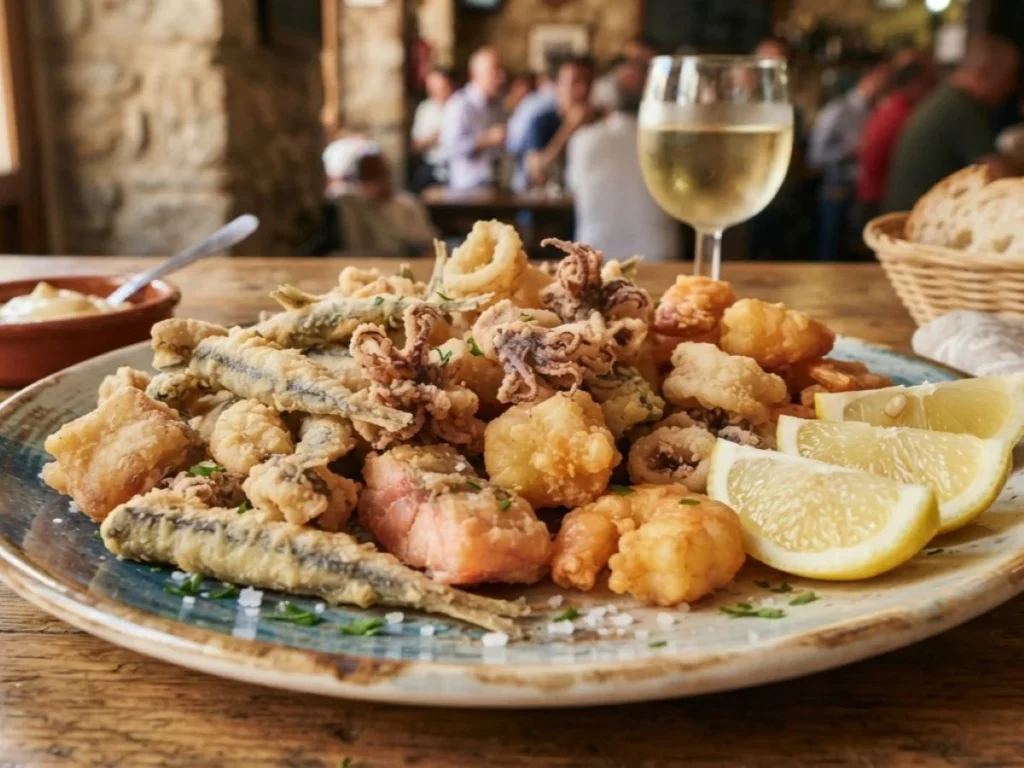
A mixed plate of whatever the market had that morning

Pescaíto — literally “little fried fish” — is what people in Málaga actually eat on a normal Tuesday. It’s a plate of lightly battered, quickly fried fish and seafood: anchovies, squid rings, small red mullet, whiting. Light batter, fried hot and fast, eaten immediately.

The best version comes from wherever the fish is freshest that day, which is exactly why the Atarazanas Market is such a good place to try it — the bars around and inside the market fry fish that was on ice an hour earlier.

Local tip: Watch for the whiting (pescadilla) — it’s fried curled into a circle, biting its own tail. It’s where the Spanish phrase for “vicious circle” comes from, and it’s a good conversation starter with whoever’s serving you.

4. Ajoblanco — The Original Cold Soup

Ground almonds, garlic, bread and olive oil — Málaga's answer to gazpacho, but older

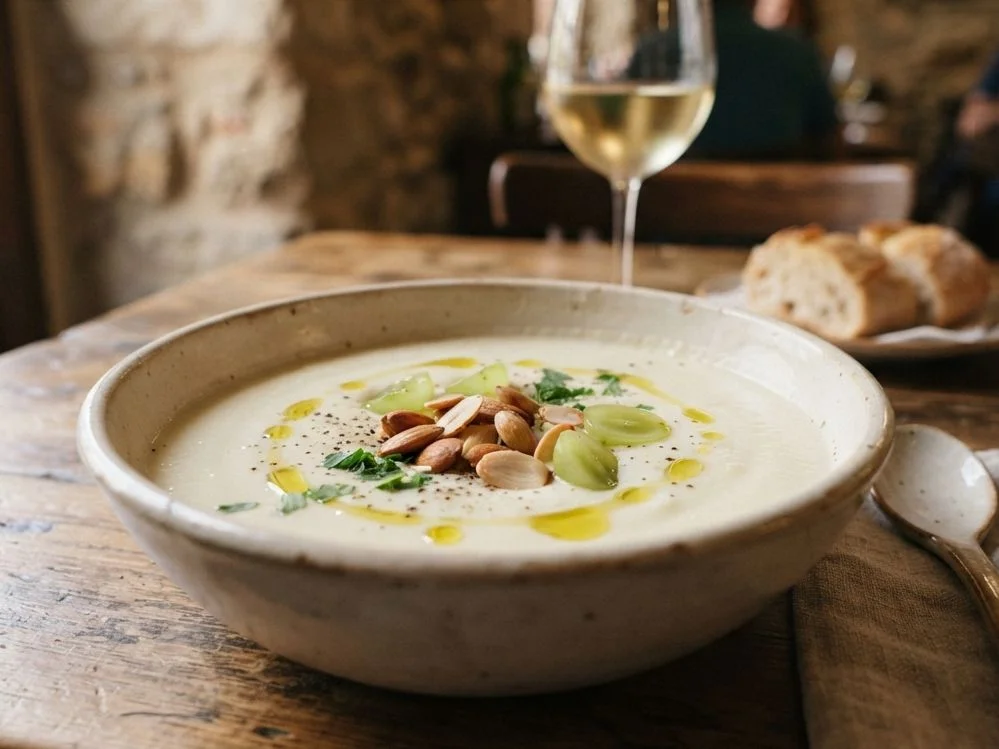
Bowl of cold ajoblanco almond soup topped with grapes, a traditional Málaga dish

Most visitors know gazpacho. Fewer know that Málaga’s own cold soup predates it. Ajoblanco is made from blanched almonds, garlic, stale bread and olive oil, blended smooth and served ice cold, usually with a few muscatel grapes or a slice of melon floating on top.

It’s a direct legacy of the region’s Moorish agricultural heritage — almonds have grown in the hills above Málaga for over a thousand years, and this soup is one of the clearest tastes of that history still on menus today.

Local tip: This is strictly a summer dish. If you see it on a menu in January, it’s probably not made fresh — order it May through September.

5. Boquerones en Vinagre — Not What You Think

Fresh anchovies, marinated, not fried, not salty

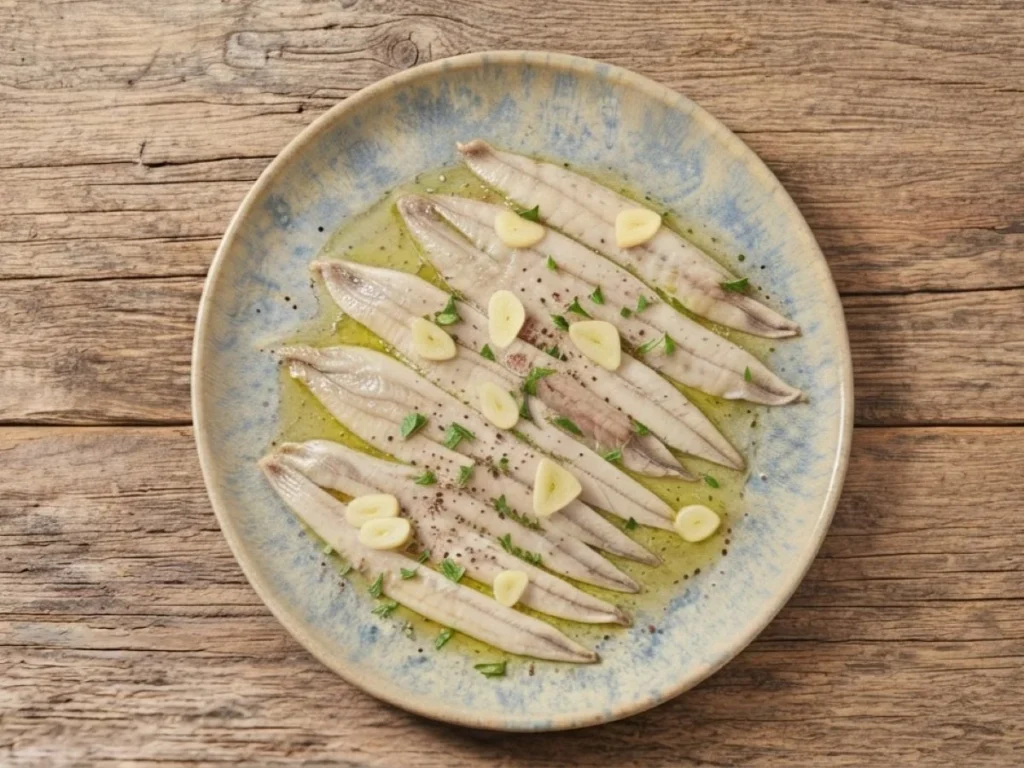
Fresh marinated anchovies, boquerones en vinagre, served at a Málaga tapas bar

If your only experience of anchovies is the tinned, salty version, boquerones en vinagre will surprise you. Fresh anchovies are butterflied, marinated in vinegar, garlic and olive oil, and served cold and firm — closer to ceviche than to anything tinned. Mild, clean, slightly tangy.

They’re standard bar food across Málaga, usually a couple of euros a plate, and a good test of whether a bar is serious about its seafood.

Local tip: Order them “al limón” for a lemon-forward version, or plain “en vinagre” for the classic. Either way, they should smell like the sea, not like vinegar.

6. Porra Antequerana — Gazpacho's Thicker Cousin

A dense, cold tomato and bread soup from just outside the city

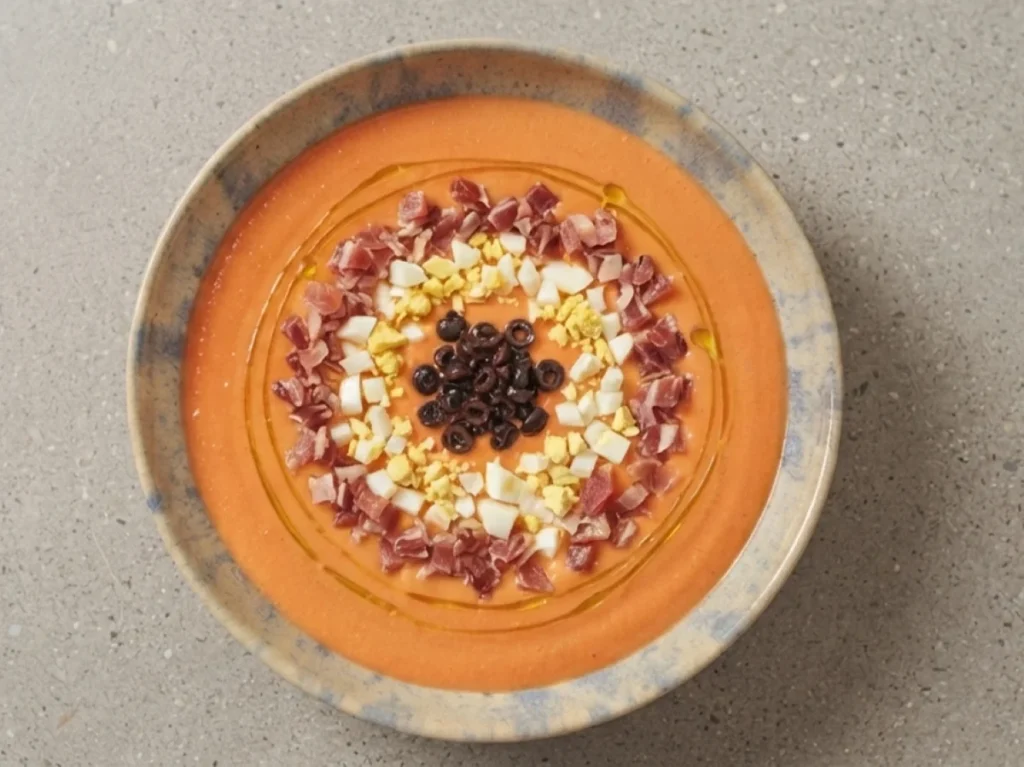
Thick cold tomato and bread soup, porra antequerana, topped with jamón and egg

Named after Antequera, a town about 45 minutes from Málaga, porra is close to salmorejo but thicker and heartier — a cold, dense purée of tomatoes, bread, garlic and olive oil, usually topped with chopped jamón and a hard-boiled egg.

It’s less well known internationally than gazpacho, which is exactly why it’s worth ordering — this is the version locals actually grew up eating.

Local tip: Porra is filling enough to be a light lunch on its own, especially in the height of summer heat.

7. Gazpachuelo Malagueño — The Fisherman's Soup

A warm soup built on mayonnaise — stranger than it sounds, better than it sounds

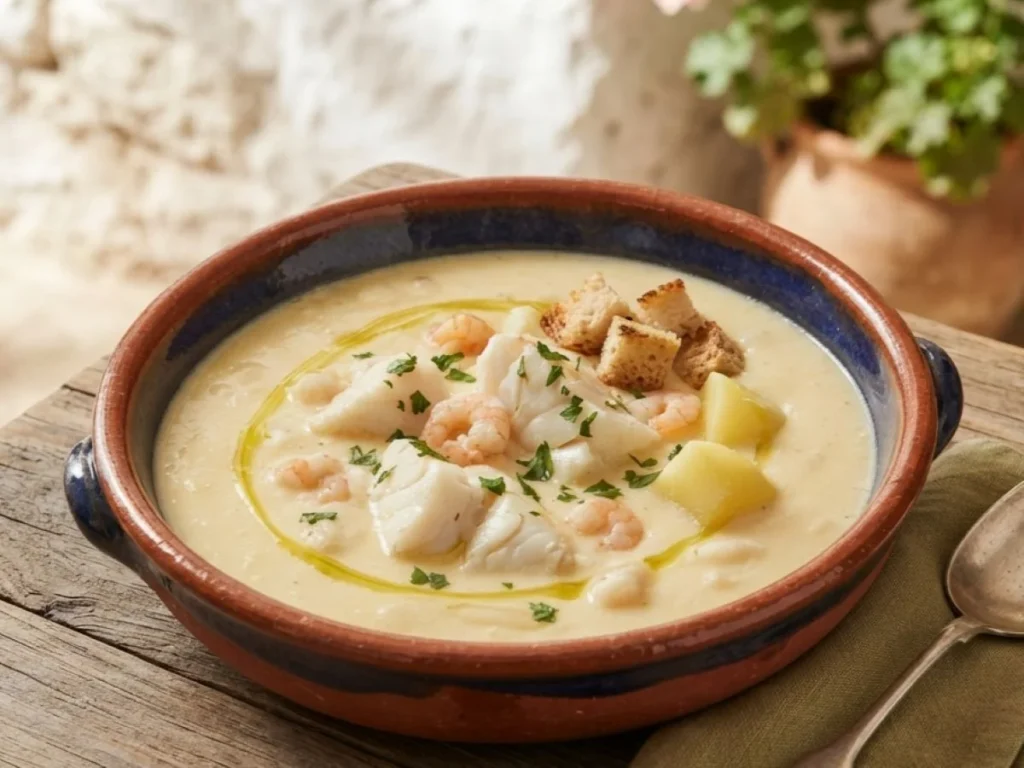
Warm gazpachuelo fisherman's soup with potatoes, a traditional Málaga dish

Gazpachuelo breaks every expectation of what a “gazpacho” should be — it’s served warm, and it’s built on a base of fish stock finished with fresh mayonnaise and lemon, poured over potatoes and sometimes clams or prawns.

It began as fisherman’s food — a way to use stock and whatever was left of the catch — and it’s still a deeply local dish that rarely makes it onto menus aimed at tourists.

Local tip: If you see gazpachuelo on a menu, it’s a good sign the kitchen is cooking for locals, not for the tour buses.

8. What to Drink — Málaga Wine and Vermouth

Sweet wine with real history, and a midday tradition worth joining

Málaga has been producing sweet wine since Roman times, made from Pedro Ximénez and Moscatel grapes and traditionally aged in the sun before fermentation. It’s rich, dark and often served as a dessert wine — but it’s worth trying alongside savoury food too, the way it’s done locally.

Alongside wine, vermut (vermouth) culture is genuinely alive here. Sunday late-morning vermouth with a small plate of olives or boquerones is a real local ritual, not a tourist performance — worth joining if your trip lines up with it.

Local tip: Ask for “vino dulce de Málaga” specifically — there are several sweet wine styles from the region, and this phrase gets you the classic one.

9. Where Locals Actually Eat

The neighbourhoods and markets worth knowing about

Atarazanas Market — A 14th-century Nasrid building turned covered market, with a stunning stained-glass window over the main hall. Go in the morning, browse the fish stalls, then eat at one of the small bars inside or just outside — that’s where the freshest pescaíto in the city gets fried.

El Palo & Pedregalejo — Two former fishing neighbourhoods east of the centre, now the best place for genuine espetos and a slower, more local pace than the historic centre. Worth the short bus ride or taxi.

Calle Granada and around the historic centre — Dense with tapas bars, easy walking distance from the main sights, good for a first-night dinner without needing to travel far.

Local tip: As a rule, if a menu has photos of the food and is translated into six languages, it’s built for tourists, not for flavour. The best places usually have neither.

10. Taste It All the Easy Way — With a Tapas Tour

Skip the guesswork and let a local do the ordering

If you’d rather not spend your trip hunting down each of these dishes yourself, our Tapas Tour Málaga does the work for you. We take you to the bars locals actually go to — not the restaurants on the main square — with food and wine included at every stop.

It’s the fastest way to eat your way through everything on this list in one evening, with the stories and context behind each dish included.

And if you want the history that goes with the food, start with our Free Walking Tour of the Historic Centre — our guides always work in a few food recommendations along the way.

Local tip: Book the Tapas Tour on an empty stomach. People consistently underestimate how much food is included.

Ready to explore Málaga?

Join one of our tours and see the city with a licensed local guide.

Málaga Free Tour

Málaga Free Tour

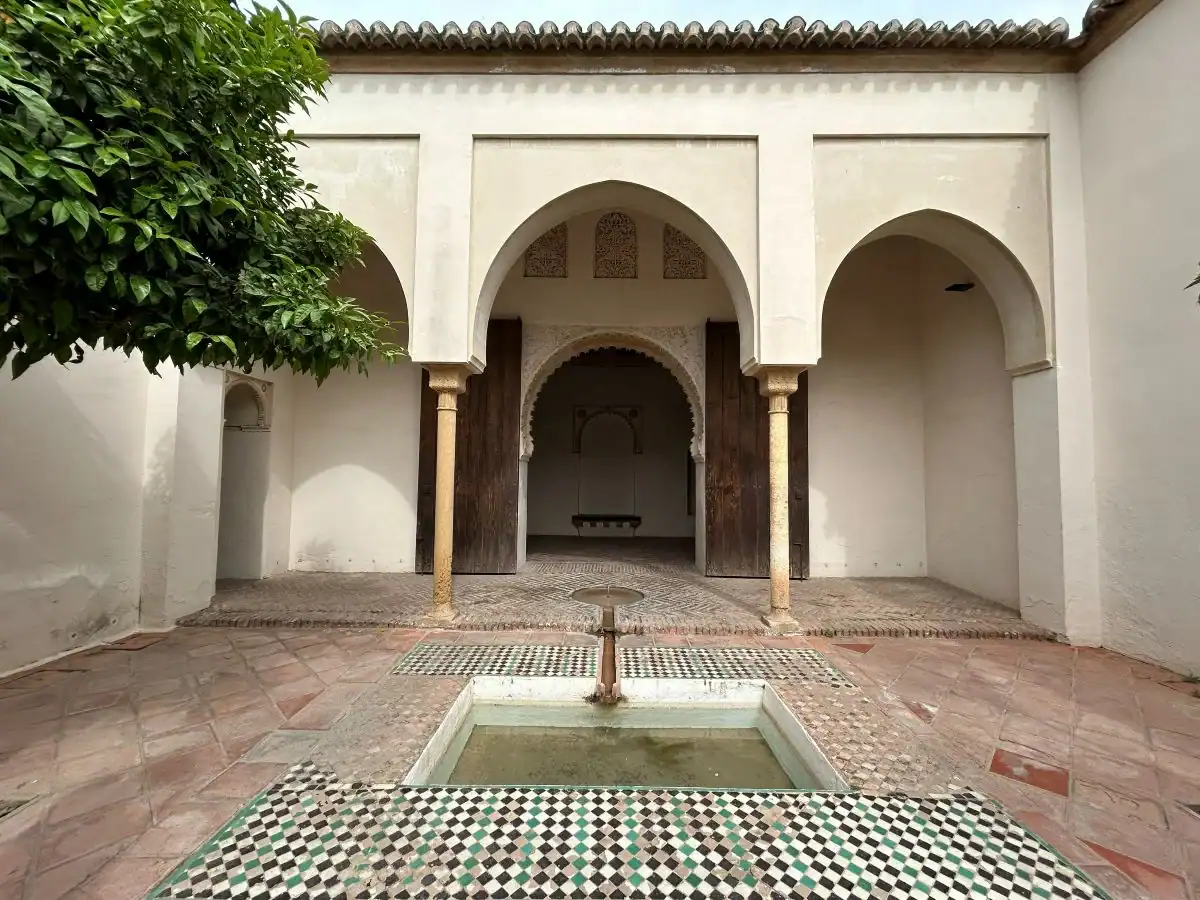
Málaga's historic centre, 3,000 years of history, one licensed local guide. Our free walking tour covers the Cathedral, Larios Street, Picasso's birthplace and the stories in between. Pay what you think it's worth at the end.
1h 45 mins
Alcazaba & Roman Theatre Free Tour

Alcazaba & Roman Theatre Free Tour

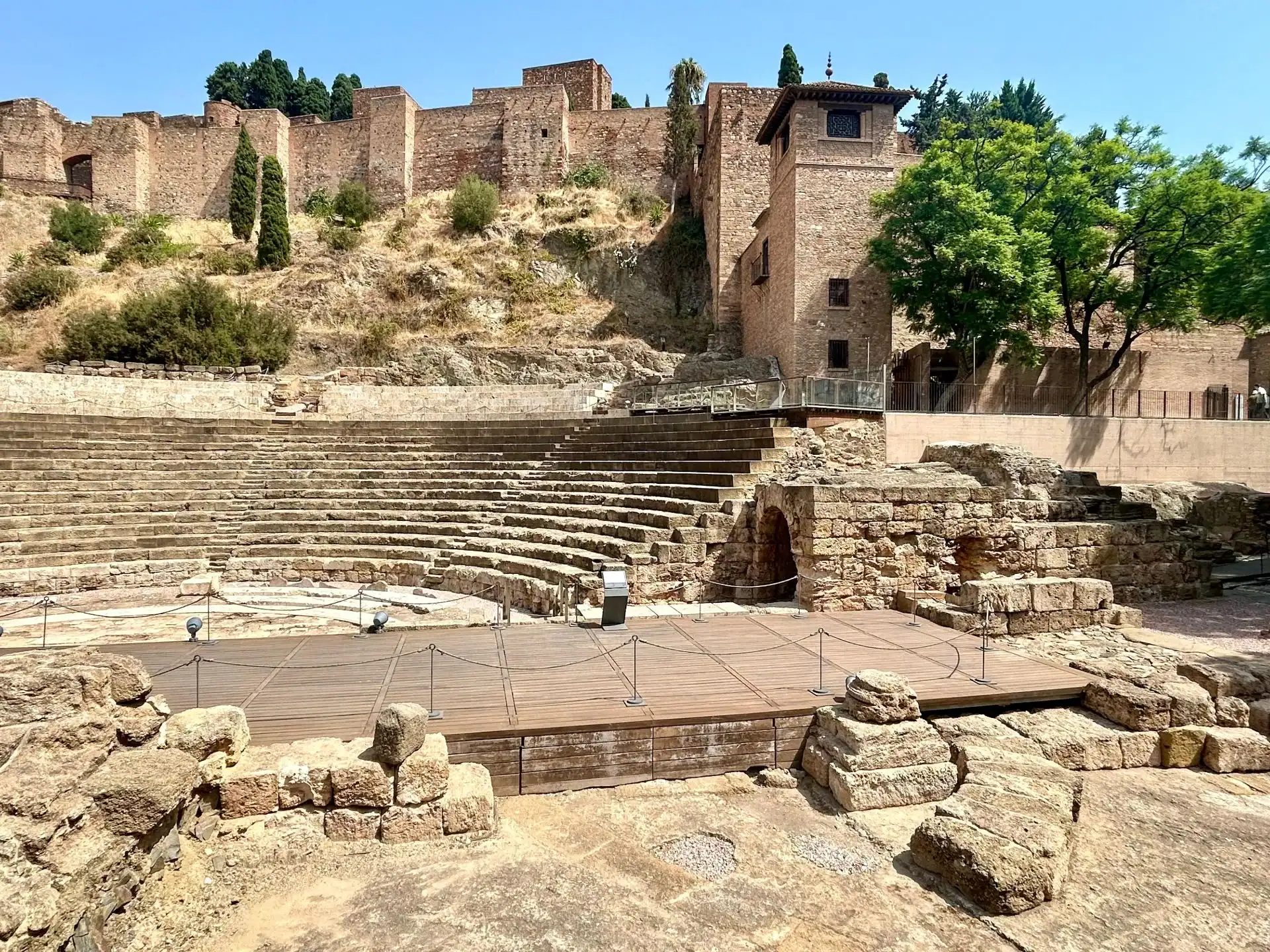
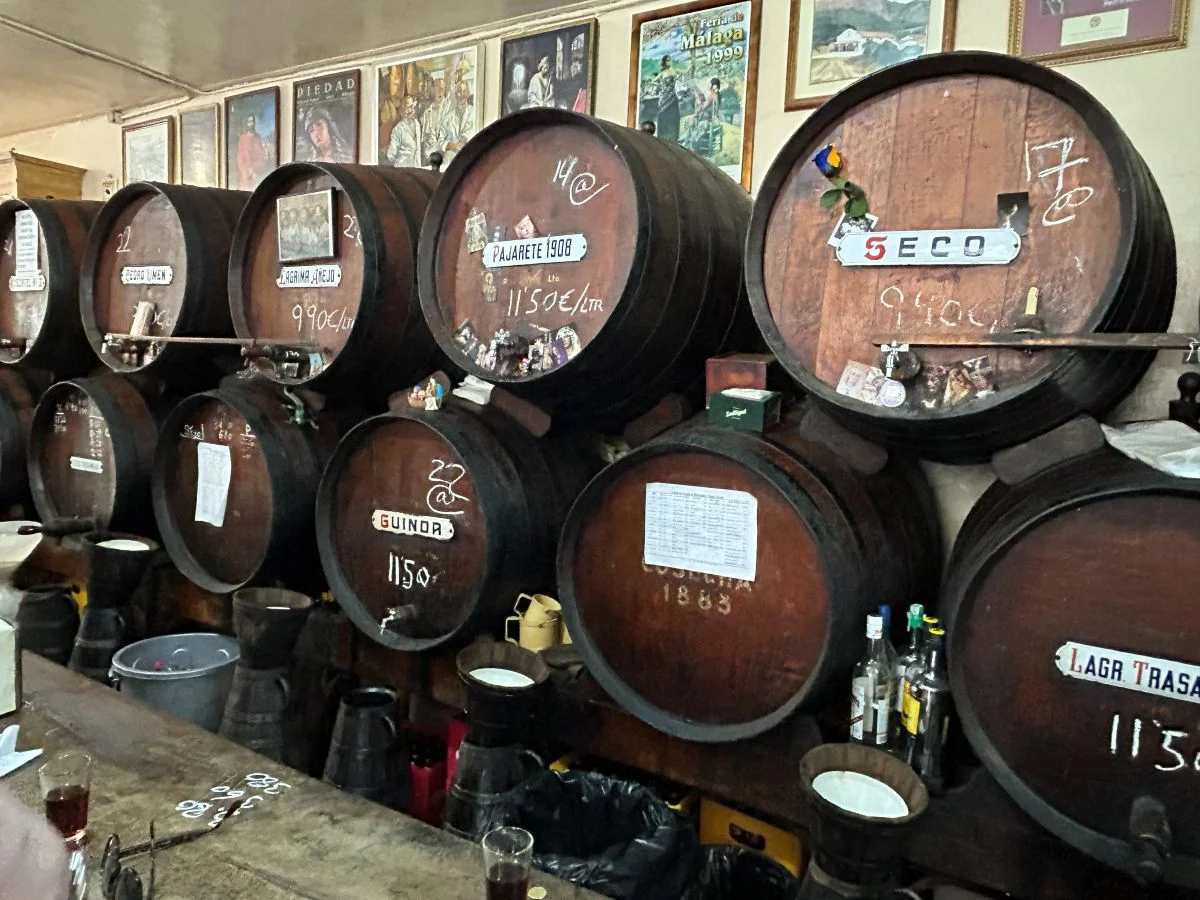
Go inside one of Spain's best-preserved Moorish fortresses and explore the Roman Theatre. Stunning architecture, sweeping panoramic views over Málaga, and stories that go back 1,000 years.
1h 30 mins
Tapas Tour Málaga

Tapas Tour Málaga

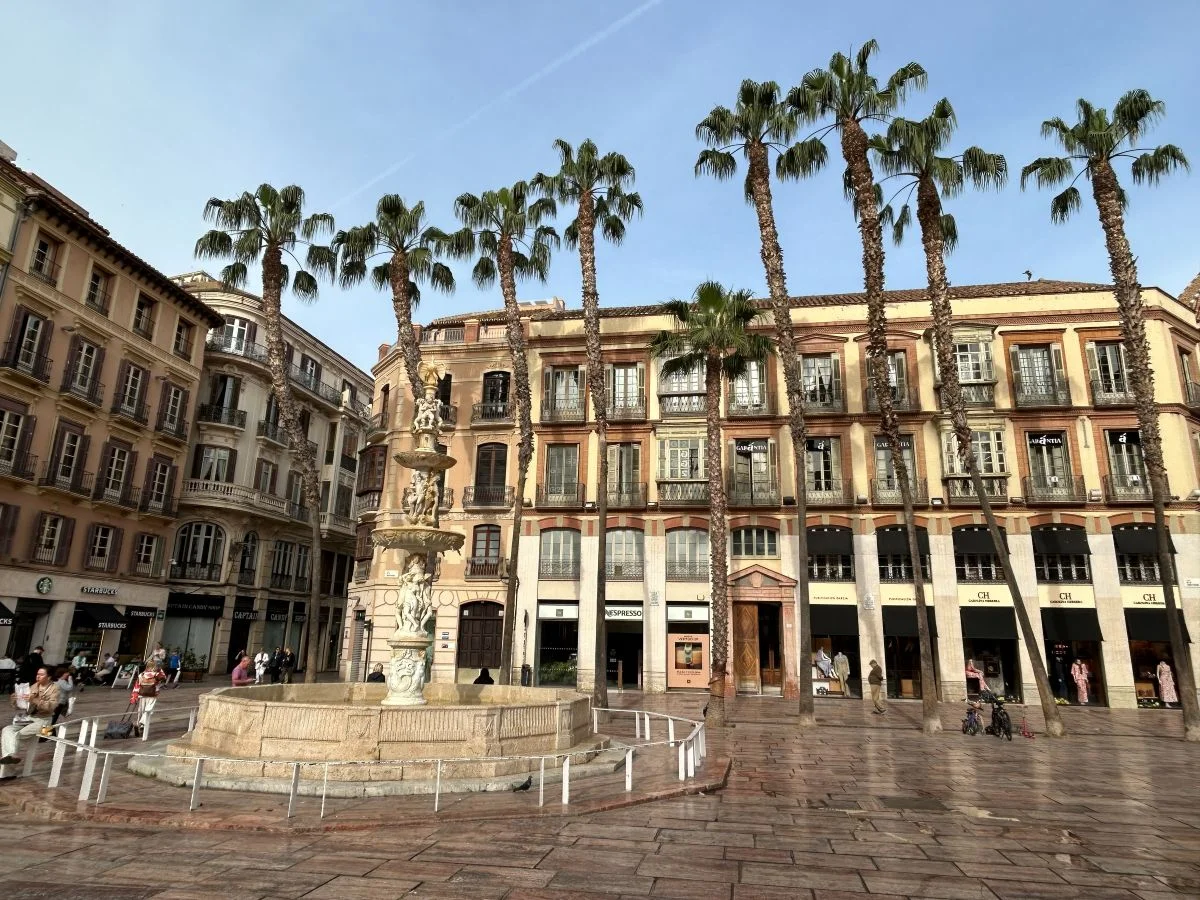
Forget the touristic restaurants on the main square. We take you where locals eat - a guided food tour through Málaga's best tapas bars and restaurants with food and wine included every step of the way.
3 hours
Private Tour Málaga

Private Tour Málaga

Your own personal local guide, your own pace, your own interests. Whether it's history, food, architecture or all three - we customise the perfect private Málaga tour experience around you and your group.

1 - 4 hours

FAQ — What to Eat in Málaga

Espetos de sardinas — sardines grilled on cane skewers over an open fire, traditionally served right on the beach in neighbourhoods like El Palo and Pedregalejo.

Toasted bread with olive oil and grated tomato, often with a coffee and, on weekends, a glass of sweet wine or a splash of anís. Simple, and eaten at a bar counter rather than at home.

No. Málaga cuisine leans on fresh seafood, olive oil, garlic and almonds rather than heat. Spice isn’t a major feature of Andalusian cooking generally.

The Atarazanas Market for fried fish and a real sense of the local food culture, and the streets around Calle Granada for an easy first dinner within walking distance of the main sights.

Not in the grab-and-go sense — Málaga’s food culture is built around small bar plates (tapas) eaten standing at a counter, which functions similarly but is more social and sit-down than typical street food.

Be cautious of restaurants right on the main tourist squares with photo menus in six languages — they’re built for volume, not flavour. A short walk into the side streets almost always gets you better food for less.

Privacy Overview

This website uses cookies so that we can provide you with the best user experience possible. Cookie information is stored in your browser and performs functions such as recognising you when you return to our website and helping our team to understand which sections of the website you find most interesting and useful.